
Why Every 30 Days Series Episode Flows as One Continuous Scene
Each of the seven scenes in a Series episode has to explicitly pick up exactly where the previous one left off — here's the mechanic behind why it doesn't feel like seven separate clips.
Aug 28, 2026 · 4 min read · Mechanics
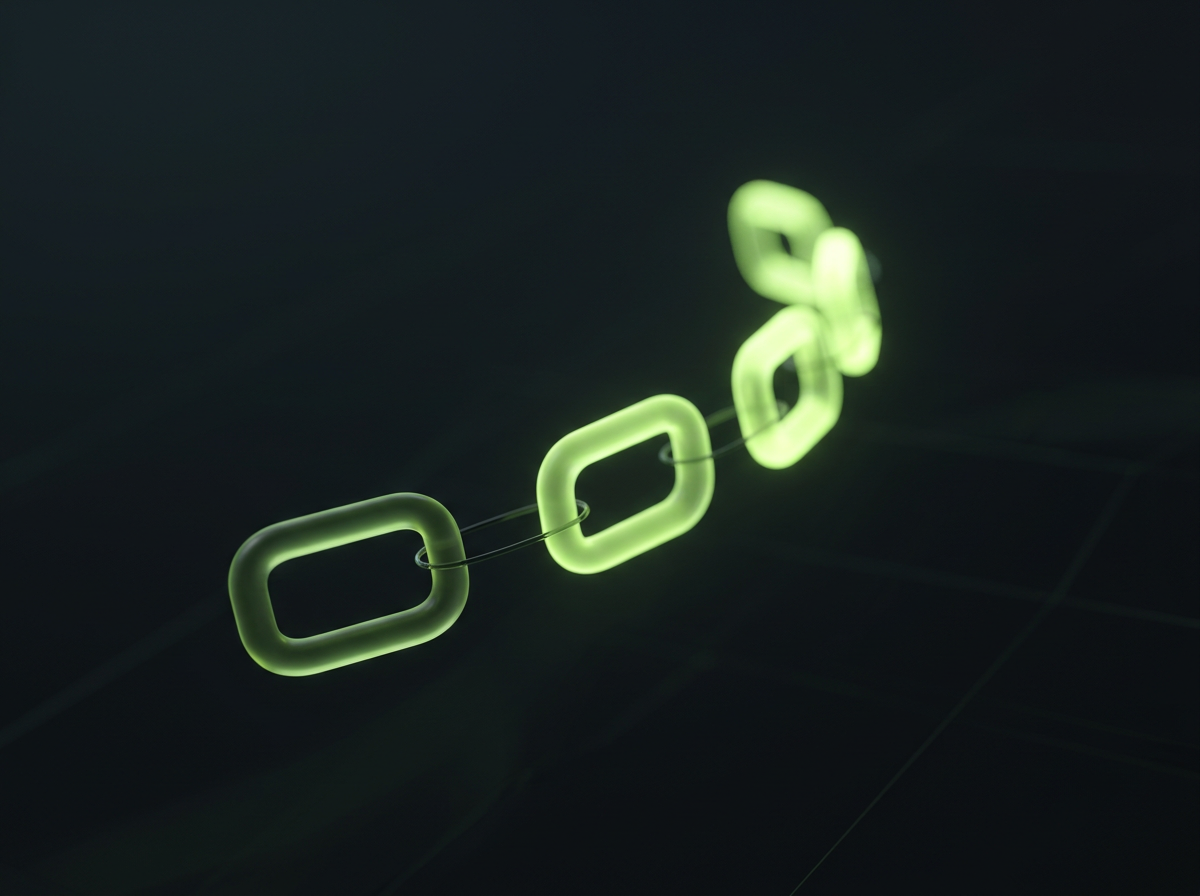
Every scene declares where it starts
Before the planner writes what happens in a scene, it first states what's concretely true the instant that scene begins — the location, who's present, the immediate situation.
And where it ends
It does the same for the moment the scene ends — so there's an explicit, checkable state on both sides of every cut, not just a vibe.
The next scene has to follow from it
Scene two's starting state has to be the direct, obvious continuation of scene one's ending state, and so on down the line — seven scenes chained together instead of seven separate snapshots loosely related by premise.
This is what a jump cut usually breaks
AI-generated short-form video often looks disjointed because each shot is planned in isolation. Chaining state explicitly is what keeps a 7-scene episode feeling like one continuous thing happened, not a slideshow of similar-but-unconnected moments.
Why this is a Series-specific mechanic
A single 30 Days video deliberately jumps between milestone days — it's built to compress a whole month into a handful of key moments, not to be one unbroken scene. A Series episode is different: it only covers the small handful of days you chose per episode, so it has room to actually chain each moment to the next instead of skipping ahead.
Explore 30 Days SeriesRelated Articles
How 30 Days Keeps Your Characters Looking the Same in Every Scene
The persistent reference system explained.
28.08.2026
How 30 Days Series Mode Remembers Your Story
World bible, persistent cast, and spoiler-gated planning explained.
26.08.2026
How to Write a Cliffhanger That Makes Your Next 30 Days Episode a Must-Watch
What actually makes an ending pull viewers into the next episode.
26.08.2026


