
30 Days vs AI Fruit Story: Which Story Format Should You Try?
Both formats tell a real story across multiple scenes — one puts you inside a world you already know, the other builds an entirely original cast.
Aug 24, 2026 · 5 min read · Comparison
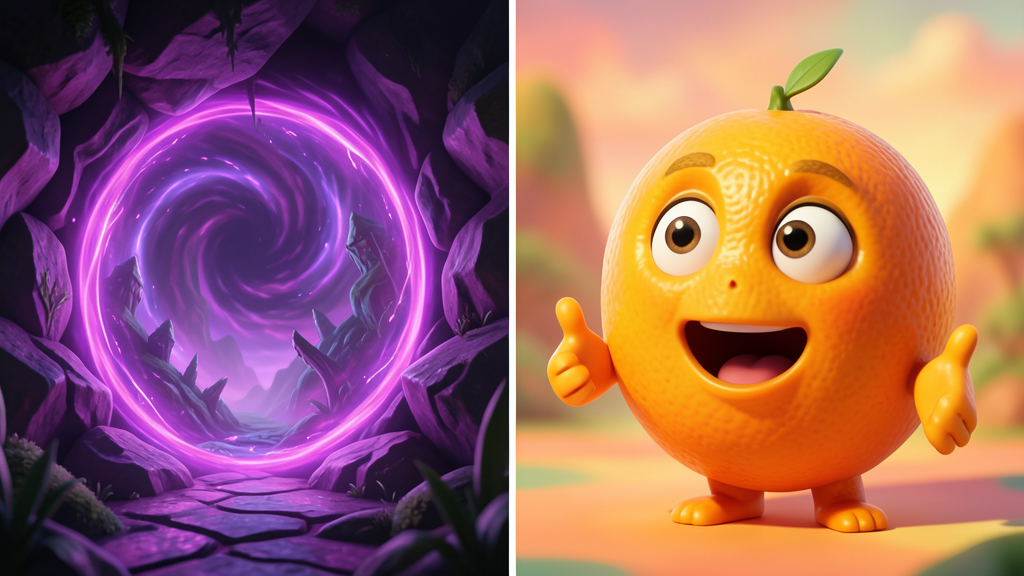
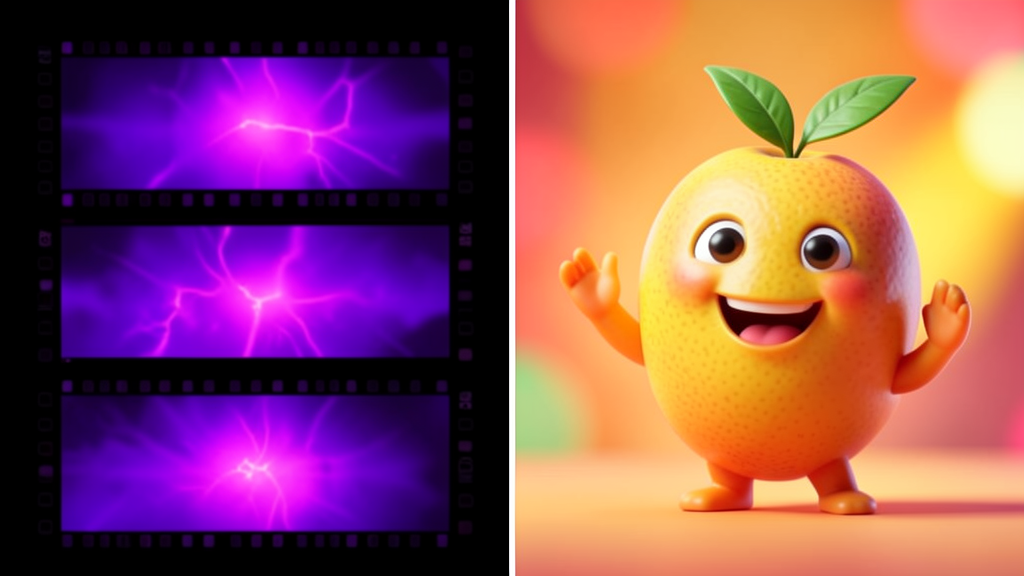
Both are Zyvo's multi-scene story formats, but they're built around opposite instincts — one is about you experiencing a world, the other is about watching a cast of characters experience conflict.
| What matters | 30 Days | AI Fruit Story |
|---|---|---|
| Who's the protagonist | You — locked as the compositionally central character in every scene | A cast of stylized fruit characters, not you |
| What it produces | 8-scene narrated story across 4 milestone days, ~40 seconds, one continuous arc | A multi-scene drama with dialogue and recurring characters |
| Setting | Any existing fictional universe you name | An original cast in whatever setting the premise calls for |
| Narration | AI-written after watching your actual finished clips | AI-written dialogue spoken by animated characters |
| Best for | Immersive 'what if I lived here' fan-driven content | Soap-opera-style conflict, reveals, and comebacks |
30 Days: you, inside a world you already love
Name any universe — a game, a show, a childhood favorite — and Zyvo places you at the center of an eight-scene story there across four milestone days, narrated from your actual finished footage. See how the format works.
AI Fruit Story: an original cast, real drama
A fully original cast of stylized fruit characters acts out written conflict — reveals, breakups, comebacks — with dialogue across a series. No universe to name, no version of yourself on screen.
Explore AI Fruit Story →Try Either — or Both
Related Articles
What Is the 30 Days AI Video Trend? Enter Any Fictional World for a Month
How the eight-scene, four-milestone-day story format actually works.
24.08.2026
50 AI Fruit Story Prompts and Viral Drama Ideas
Fifty fruit-drama prompts across reveal, family, friendship, comeback, workplace, and wedding-drama plots.
15.05.2026
Every Zyvo AI Video Format Compared: Which One Should You Try Next?
Six format-specific AI video tools, side by side.
21.08.2026


