
AI Fruit Drama Videos: Story Structure and Workflow
A fruit character catches her partner hiding a secret. The phone drops. The music stops. The reveal gives viewers a reason to keep watching. This guide explains the format, its short-form storytelling structure, and how to make one with Zyvo.
May 14, 2026 · 8 min read · TikTok Strategy
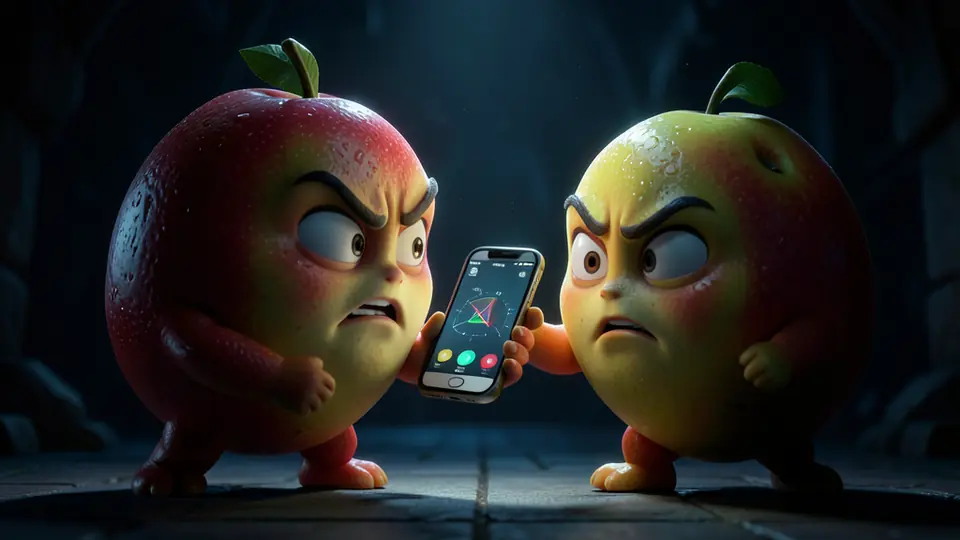
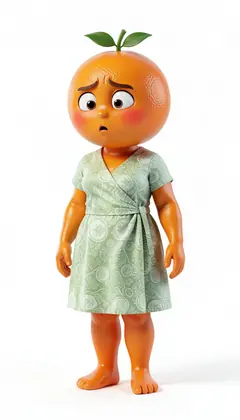



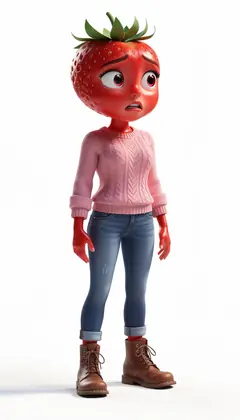
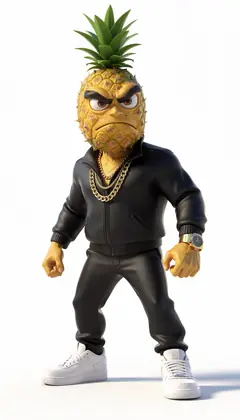
Why Fruit Drama Videos Are Dominating TikTok Right Now
The fruit drama format solves three problems that kill most short-form content creators at once: face-on-camera anxiety, production complexity, and content idea generation.
You never appear on camera. Your characters are rendered 3D fruit with expressive faces. They speak the dialogue. They carry the emotion. You just describe the drama and let the AI handle everything else.
One reason the format can hold attention is simple: people tend to follow clear dramatic conflict. Betrayal, shock, revelation, and emotional confrontation are the oldest storytelling engines in existence. Put those engines inside bright, expressive fruit characters and you have something that stops the scroll across every demographic.
A 40-year-old woman and a 19-year-old guy both watch "Orange Mom catches Banana Dad hiding a secret" all the way through. That kind of demographic range is almost impossible in traditional content creation. It's the superpower of the format.
The Anatomy of a Viral Fruit Drama Video
Many effective fruit-drama videos use a similar structural pattern. Understanding it helps you build a clearer hook, escalation, and payoff.
A visual question in the first frame. A character looking at something with shock. A confrontational line before the viewer even knows the context. The goal is a single thought: 'wait, what's happening?' Viewers who think that thought do not swipe.
The protagonist notices something wrong. A phone screen. A strange receipt. A name that shouldn't be there. Each clue is a micro-hook that adds another reason to keep watching. Retention compounds across these scenes.
The moment of undeniable proof. This is the scene most people screenshot, share, or stitch. The character's reaction — wide eyes, trembling, frozen — is the image that appears in comment sections across the internet.
The accused has to respond. Their defense, denial, or guilt carries the emotional peak of the video. Comments explode here. 'She should have left right then.' 'He doesn't deserve her.' This is where your comment section comes alive.
The resolution that leaves viewers either satisfied or needing more. A walk-away is satisfying. A bigger secret being revealed is a cliffhanger that forces them to find Part 2. Both drive replays and shares.
What Makes AI-Generated Fruit Drama Different from Human Content
Human drama content relies on real performances, real locations, and real editing. One video can take 4–8 hours to produce. AI fruit drama takes 5 minutes. That speed difference changes what's possible entirely.
Accounts posting daily AI fruit drama consistently outperform accounts posting 2–3 times per week, even when the 2–3 posts are higher production quality. The algorithm rewards consistent signal. Daily posting gives you 7 chances per week to go viral. Twice per week gives you 2.
The other difference is consistency of character identity. AI fruit characters look identical in every single scene — same face, same outfit, same expressions. Viewers immediately recognise recurring characters and develop attachment to them. This is why serialised fruit drama accounts retain audience better than one-off video accounts.
How to Generate Your Own Viral Fruit Drama Video
Zyvo's AI Fruit Story maker handles the entire pipeline. Here's the exact process:
- Go to the AI Fruit Story builder
- Choose a drama preset (Cheating Reveal, Baby Surprise, Secret Twin, Revenge Comeback, Kicked Out, or Custom)
- Select 2–3 fruit characters for your story
- Write or accept the suggested drama idea — one sentence is enough
- Choose your story length (15s, 30s, 45s, or 60s) and hit Generate
- Review the generated scenes, then hit Animate
- Download your complete video with talking characters and post
The AI writes every line of dialogue, designs every scene, and animates every character. Your only job is the drama idea.
Ready to Make Your First Viral Fruit Drama Video?
The format is still growing. The creators who start now will build the biggest accounts. There's no better time to begin — and no easier tool to do it with.
Open the Paid Tool → Create Your Fruit StoryRelated Articles
AI Fruit Story Maker: Create Viral Fruit Drama Videos in 2026
How the AI Fruit Story maker works and how conflict, pacing, and clear visual storytelling shape the format.
14.05.2026
How to Make Viral AI TikTok Videos in 2026 (Step-by-Step)
The complete guide to making viral AI TikTok videos — scripting, generation, and posting strategy.
26.04.2026
Best AI Tools for Faceless TikTok Videos (2026)
The exact tools creators use to run faceless TikTok channels doing millions of views with zero on-camera presence.
26.04.2026
What Is AI Fruit Story? The Complete Guide to TikTok's Viral Cartoon Drama Trend
What it is, how it's made, why it's going viral, and how to make your own.
18.08.2026


