
AI Fruit Story Series Finale Ideas: How to End a Storyline
Cliffhangers get viewers to part 2. A good finale is a different skill — five ending structures that give a series a satisfying close instead of just stopping.
Aug 21, 2026 · 6 min read · Series
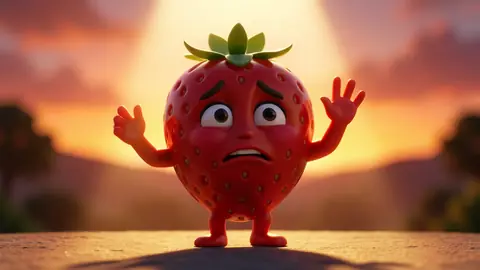
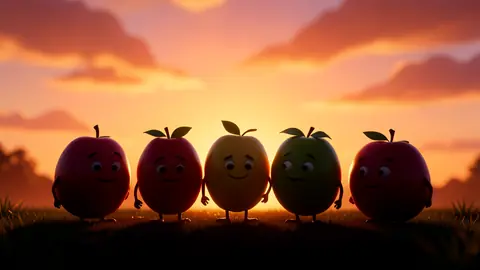
Most fruit-story content advice is about starting strong or ending on a cliffhanger — but a series that never actually concludes eventually loses viewers who wanted closure. Here are five ways to land a real ending.
01
The Full-Circle Callback
End the finale with a visual or line that directly echoes the very first scene of the series — it signals closure by showing how far the characters have come.
02
The Earned Reunion
Bring back a character or relationship that was broken early in the series, resolved in the final scene as the emotional payoff for everything that came before.
03
The Quiet Resolution
Instead of a big dramatic climax, end on a small, calm moment that shows the conflict is genuinely over — contrast is what sells this as an ending, not just another episode.
04
The Bittersweet Goodbye
Resolve the main conflict, but leave one small thing unresolved or changed permanently — a character moves away, a relationship shifts — so the ending feels real instead of too neat.
05
The Open-Door Ending
Resolve the current storyline fully, but end on a detail that could open a spinoff or new season later, without functioning as an unresolved cliffhanger.
How to know it's time to end a series
A series is ready for a finale once its original core conflict — the thing that started the whole storyline — has enough material built up around it to pay off. Ending too early feels abrupt; ending too late means the finale competes with plot threads that have already lost momentum.
Write Your Finale
Pick an ending structure above and build your final scene around it. For the series structure leading up to it, see how AI fruit story series work.
Open the AI Fruit Story Tool →Related Articles
AI Fruit Story Cliffhanger Endings: How to Make Viewers Come Back for Part 2
Four cliffhanger structures that consistently drive part-2 demand.
21.08.2026
The Wildest AI Fruit Story Plot Twists (And How to Write Your Own)
Five twist structures that outperform a straightforward reveal, with real examples.
10.08.2026


