
How to Build an AI Fruit Story Series (Turn One Video Into a Cinematic Universe)
The accounts that grow the fastest with this format don't post random one-off videos — they build a small, recognizable cast and let the drama compound over time. Here's how to plan a series instead of a single clip.
Aug 11, 2026 · 8 min read · Content Strategy
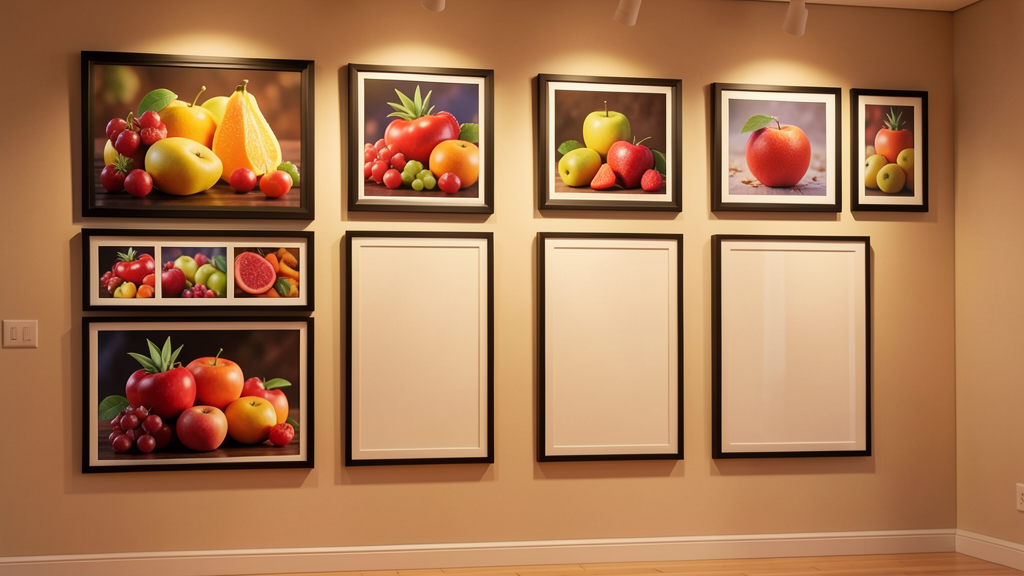
Why a series outperforms a one-off video
A single standalone fruit-drama video can go viral on its own — but it rarely builds a following, because there's nothing for a new viewer to come back for. A series does the opposite: every video is both a complete story and an invitation to watch the next one.
This is the same mechanic that makes serialized TV, not just individual episodes, addictive. You're not just making content — you're building a small, ongoing world people check in on.
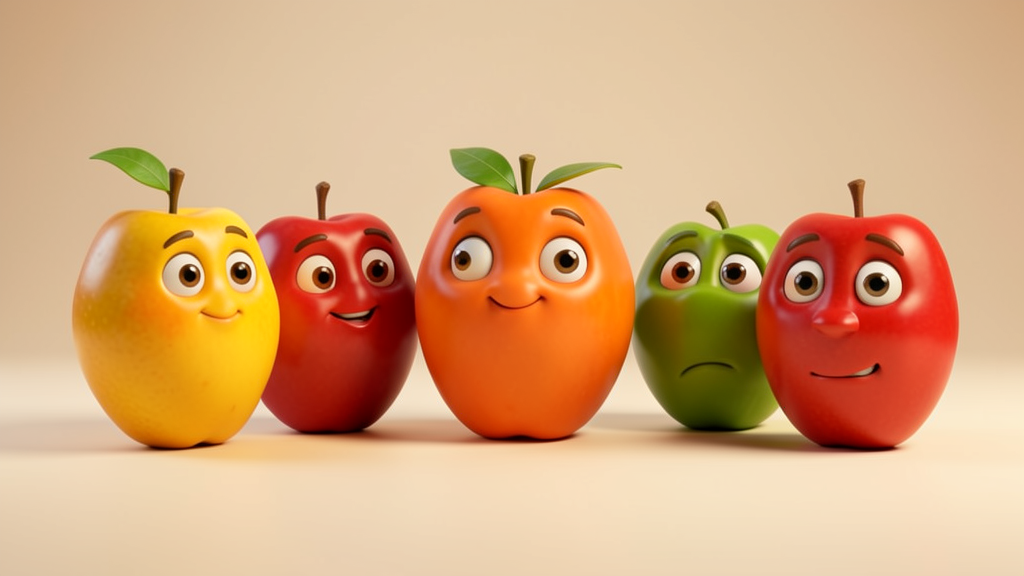
Four pillars of a fruit story universe
A recurring core cast
Three to five characters the audience learns to recognize — their names, their dynamics, their history. Every new video gets easier to follow because the setup is already done.
A consistent world
The same café, neighborhood, or family circle across videos. A shared setting makes unrelated episodes feel like they belong to the same universe.
Threads that carry between videos
An unresolved question from one video answered in the next. Viewers who watch one episode have a real reason to check whether the next one landed.
A naming system
"Part 1," "Part 2," or a consistent series title in every caption. It sounds small, but it's what turns a feed of standalone clips into something a viewer can follow.
A simple way to start
- Pick three characters — see the character ideas guide for pairing inspiration.
- Decide one shared setting they all exist in (a family, a workplace, a neighborhood).
- Write your first video's premise using the prompt formula, and end it on an open question instead of a full resolution.
- Answer that question at the start of video two, then raise a new one before it ends.
- Keep the caption format consistent (a series name, a part number) so viewers can find the thread.
Start Your First Episode
Pick your cast, write your first premise, and generate it in Zyvo's AI Fruit Story maker.
Open the Paid AI Fruit Story Tool →Related Articles
The Most Iconic AI Fruit Story Couples (And How to Ship Your Own)
Four pairing dynamics worth building a series around, and how to design your own.
10.08.2026
AI Fruit Story Character Ideas and Storylines
Eight fruit-character pairings with clear conflicts and adaptable story hooks.
27.05.2026
10 Mistakes Killing Your AI Fruit Story Views (And How to Fix Each One)
The ten most common structural mistakes and exactly what to change.
11.08.2026
AI Fruit Story Series Finale Ideas: How to End a Storyline
Five ending structures that give a series a satisfying close instead of just stopping.
21.08.2026
8 AI Fruit Story Fan Theories That Are Probably True
Playful lore theories connecting the recurring cast into one shared universe.
17.08.2026


